
h2 {
font-size: 2rem;
}
ul {
padding-left: 20px;
}
li {
margin-bottom: 10px;
}
Escursione a Civita di Bagnoregio: come raggiungere la “città che muore”
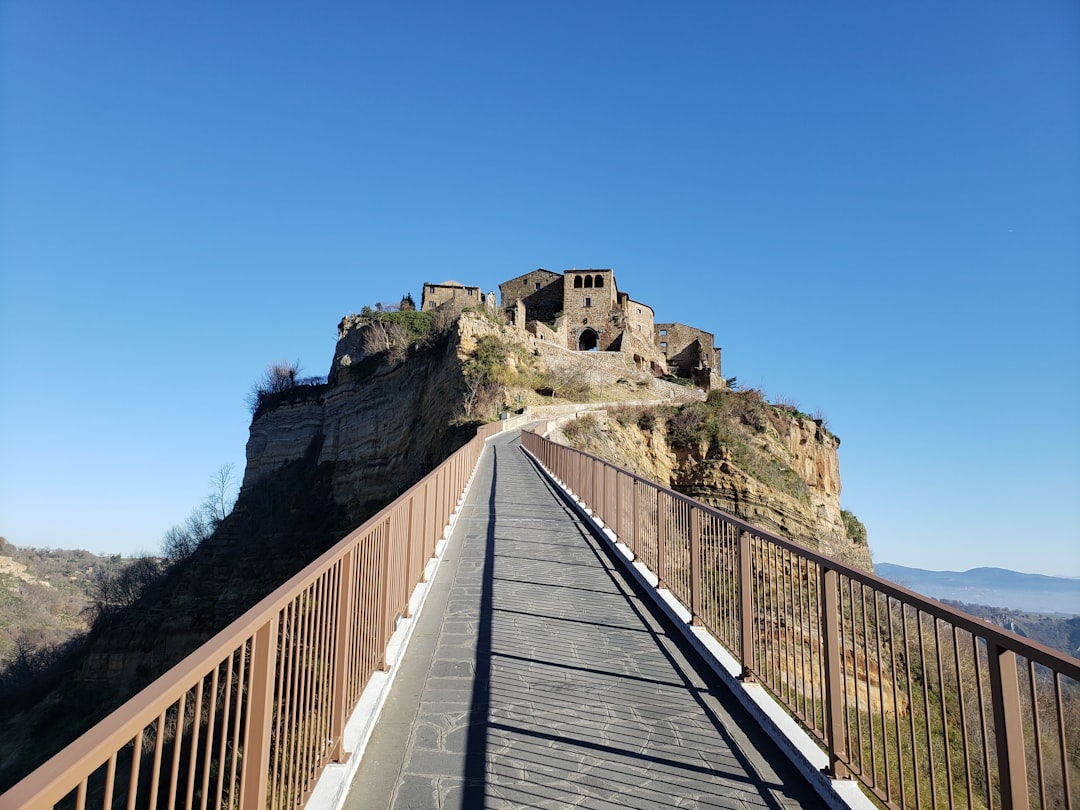
In this guide you’ll discover the fascinating world of Civita di Bagnoregio, a medieval city perched on a volcanic tuff plateau.
Storia e Atmosfera
Civita di Bagnoregio, also known as the “dying city”, has been inhabited since the Etruscan period. It was founded in the 6th century B.C. and has a rich history, including being a bishopric from the 4th century A.D. The city was abandoned in the 17th century due to soil erosion, but was rediscovered in the 20th century and has been preserved as a living museum.
The city is surrounded by a defensive wall, and the narrow, winding streets lead to the main square, Piazza San Bonaventura. The most famous landmark is the Palazzo del Popolo, which houses the city’s town hall and museum. The church of San Donato, with its beautiful frescoes, is also worth a visit.
The architecture of Civita di Bagnoregio is unique, with buildings built directly into the tuff cliffs. The city’s isolation and the rugged terrain have given it a sense of mystery and romance, making it a popular destination for tourists.
Civita di Bagnoregio is not just a beautiful place to visit, but also a testament to the resilience of mankind. Despite the challenges posed by its location, the city has endured and continues to attract visitors from around the world.
Did you know? The city of Civita di Bagnoregio was the inspiration for the fictional city of Bolsena in the novel “The Name of the Rose” by Umberto Eco.
Cosa Vedere Assolutamente
- Piazza San Bonaventura: The main square of Civita di Bagnoregio, where you can find the Palazzo del Popolo and the church of San Donato.
- Palazzo del Popolo: The town hall and museum of Civita di Bagnoregio, with a beautiful facade and a rich collection of art and artifacts.
- Church of San Donato: A small church with beautiful frescoes that date back to the 13th century.
- Defensive wall: The wall that surrounds the city, offering stunning views of the surrounding countryside.
- Tuff cliffs: The unique geology of Civita di Bagnoregio, with buildings built directly into the tuff cliffs.
Domande Frequenti
1. When is the best time to visit Civita di Bagnoregio?
The best time to visit is from April to June and from September to October, when the weather is mild and the crowds are smaller.
2. Is Civita di Bagnoregio accessible for people with disabilities?
The city is not wheelchair accessible due to the narrow, winding streets and steps.
3. Is there parking available in Civita di Bagnoregio?
There is a parking lot at the bottom of the hill, and a shuttle bus takes visitors to the city.
4. Can I bring my children to Civita di Bagnoregio?
Children are welcome, but the narrow streets and steps may be challenging for young children.
5. What should I wear when visiting Civita di Bagnoregio?
Comfortable walking shoes are recommended, as well as clothing appropriate for the weather.
6. Is there a restaurant in Civita di Bagnoregio?
There is a small restaurant in the city, but it is recommended to bring a packed lunch.
7. What is the weather like in Civita di Bagnoregio?
The weather in Civita di Bagnoregio is typically mild and sunny, but can be hot in the summer and cool in the winter.
Cosa vedere (Suggeriti)
Se ti trovi qui, non perdere anche:
- Lago di Bolsena: A beautiful lake with a picturesque town on its shores, famous for its fish and thermal baths.
- Orvieto: A stunning hill town with a cathedral famous for its frescoes and a medieval underground tunnel system.
- Viterbo: A charming town with a medieval center, a castle, and the Papal Palace.


